.png)

Are you ready to take your startup into view new heights?
Thank you! Your submission has been received!
Oops! Something went wrong while submitting the form.

Innovation in Latin America is key to shifting from raw materials to a knowledge-based economy, driving sustainable and competitive growth

Talking about innovation in Latin America is, in many ways, talking about economic development. For decades, the region has faced the challenge of sustaining growth within an international system that has rarely favored commodity-based economies. One of the economists who explained this dynamic most clearly was Raúl Prebisch, whose theory of the terms of trade argued that countries exporting raw materials tend to receive diminishing relative value in global trade compared to those producing industrial goods and technology.
That diagnosis remains relevant today. Much of Latin America still depends on natural resources while importing technology, machinery, and knowledge. In this context, innovation becomes essential to changing that trajectory — not just through the creation of new technologies, but by building the productive and scientific capacity that allows the region to generate greater added value.



History shows this kind of transformation is possible. The Asian Tigers — South Korea, Taiwan, Singapore, and Hong Kong — managed in just a few decades to move from relatively low-income economies to industrial and technological powerhouses. They did it by committing to education, industrialization, and sustained investment in science and technology. Their missions were long, deliberate, and well-funded.
Latin America faces real obstacles on that same path. Institutional instability, frequent shifts in economic policy, and the lack of long-term strategic continuity make it difficult to build the conditions innovation needs to take hold. Add to this a critical challenge: human capital. While basic education has improved, the number of professionals with scientific and technical training remains limited.
In Central America, these challenges intensify. Smaller economies, lower levels of investment in research and development, and persistent social gaps all narrow the runway for a knowledge-based economy. Poverty and unequal access to quality education limit the pool of people who can drive — or even participate in — an innovation ecosystem.
[BANNER]
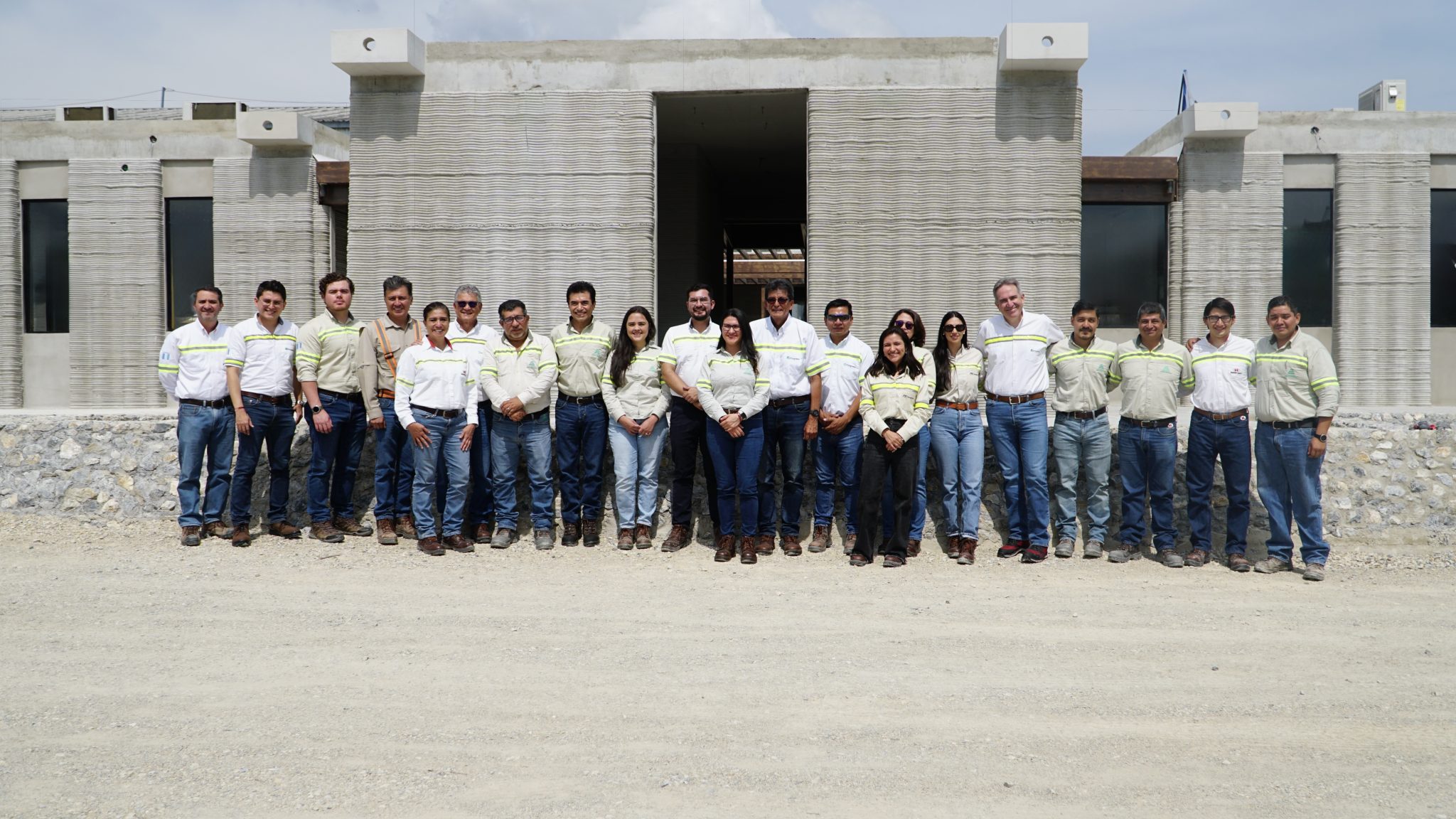
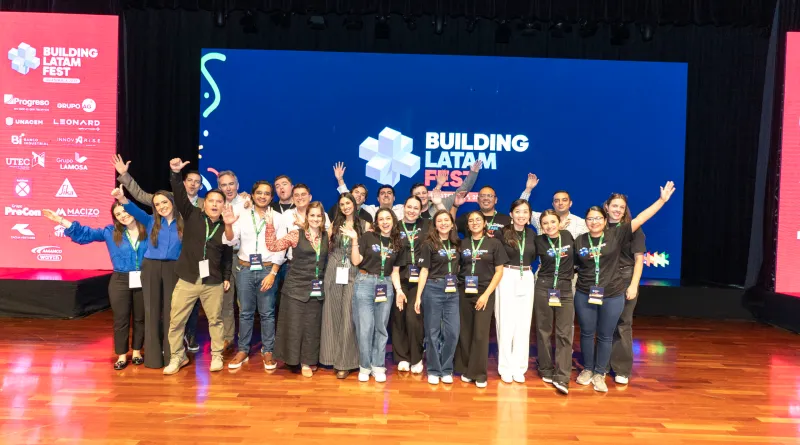
And yet, something is beginning to shift. Initiatives are emerging that aim to build that ecosystem from the ground up. One example is Progreso X, Progreso's open innovation and corporate venture capital, which connects startups from around the world with the company's business units to explore new technological solutions and business models. Alongside it, Px Ventures has established itself as one of Central America's first corporate venture capital funds, investing in strategically relevant startups and helping fuel the region's entrepreneurial ecosystem.
These are not isolated efforts. They reflect a broader pattern: innovation in Latin America will most likely emerge from collaboration — between companies, startups, universities, investors, and public institutions working together as a coordinated crew, not as independent actors. Prebisch's framework still holds: economies that generate knowledge and technology capture more value in the global economy.
The challenge for the region is to turn that understanding into sustained action — strengthening education, encouraging investment in innovation, and creating the stable conditions that allow long-term development to take root. That is the only way Latin America moves toward a more competitive and sustainable growth model. The trajectory is clear. What remains is the commitment to follow it.
Author: Erick Melgar